
Introduction
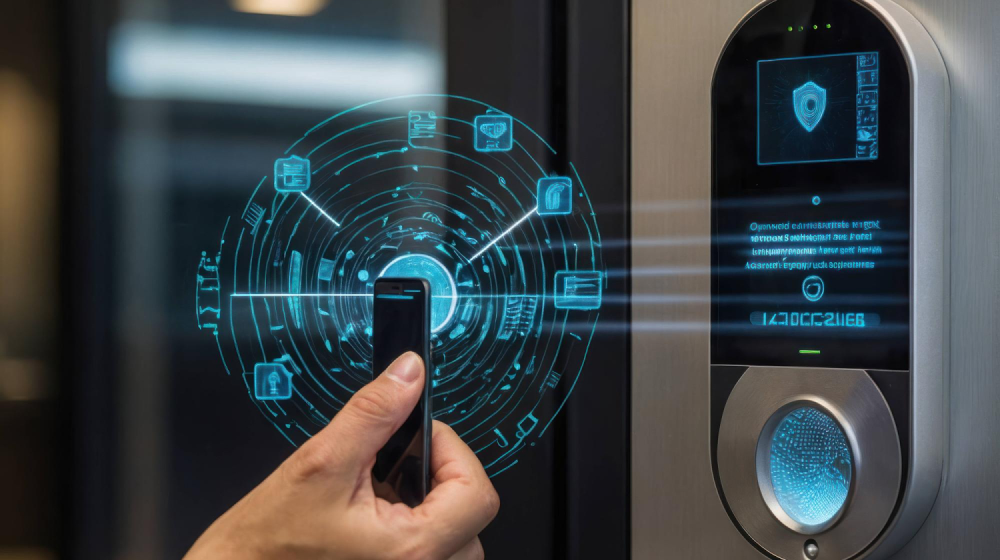
In today’s rapidly evolving digital world, security has become a top priority for organizations, businesses, and even homes. Traditional lock-and-key systems are no longer sufficient to protect sensitive areas and data. This is where Access Control & Biometric Systems come into play—offering advanced, reliable, and intelligent security solutions.
What is an Access Control System?
An Access Control System (ACS) is a security solution that regulates who can enter or use resources in a physical or digital environment. It ensures that only authorized individuals have access to restricted areas.
What is a Biometric System?
A Biometric System uses unique biological characteristics of individuals to verify identity. These systems are highly secure because biometric traits are difficult to replicate or steal.
Types of Access Control Systems
- Discretionary Access Control (DAC) – Owner decides access rights
- Mandatory Access Control (MAC) – Access based on strict policies
- Role-Based Access Control (RBAC) – Access based on user roles
Common Types of Biometrics:
- Fingerprint Recognition
- Facial Recognition
- Iris & Retina Scanning
- Voice Recognition
- Palm & Vein Recognition
How Access Control & Biometric Systems Work
These systems typically involve three key components:
- Authentication Device – Captures biometric or credential data
- Control Panel – Processes and verifies the data
- Access Mechanism – Grants or denies entry (e.g., door lock)
Key Benefits
Enhanced Security
Biometric data is unique, making it extremely difficult for unauthorized access.
Fast & Convenient
No need for keys, cards, or passwords—quick and seamless access.
Improved Monitoring
Tracks entry/exit logs, helping organizations maintain records and accountability.
Cost-Effective
Reduces the need for security personnel and eliminates risks of lost keys/cards.
Applications Across Industries
- Corporate Offices – Employee access and attendance tracking
- Hospitals – Secure patient records and restricted zones
- Banks & Financial Institutions – Protect sensitive transactions
- Educational Institutions – Student attendance and campus security
- Residential Buildings – Smart home security systems
Future Trends
The future of access control is evolving with technologies like:
- AI-powered facial recognition
- Cloud-based access control systems
- Mobile-based authentication (smartphones)
- Multi-factor authentication (MFA) combining biometrics and PINs
Conclusion
Access Control & Biometric Systems are transforming the way we approach security. With their ability to provide high-level protection, real-time monitoring, and seamless user experience, they are becoming essential in modern infrastructure.
As technology continues to advance, these systems will play a crucial role in creating safer, smarter, and more secure environments for everyone.